Understanding Rope Bridges
Rope bridges, an iconic symbol of adventure and exploration, offer unique crossing solutions that blend functionality with the thrill of navigating suspended structures. Whether spanning a serene garden stream or connecting lofty treehouses, these bridges are a testament to human ingenuity and creativity. The appeal of a Rope Bridge lies not just in their practicality; they also provide an exciting way to engage with nature and foster physical activity. In this article, we explore the various types of rope bridges, their applications, and important safety considerations to keep in mind.
What is a Rope Bridge?
A rope bridge is typically defined as a structure consisting of ropes and a platform that allows individuals to cross from one side to another. Unlike traditional bridges, rope bridges do not require extensive materials like steel or concrete; instead, they rely on strong, durable ropes to support their spans. Historically, indigenous cultures have utilised these ingenious designs, often using local materials to create bridges that span rivers, gorges, or canyons.
Types of Rope Bridges and Their Uses
Rope bridges can be broadly categorised into several types, each serving distinct purposes:
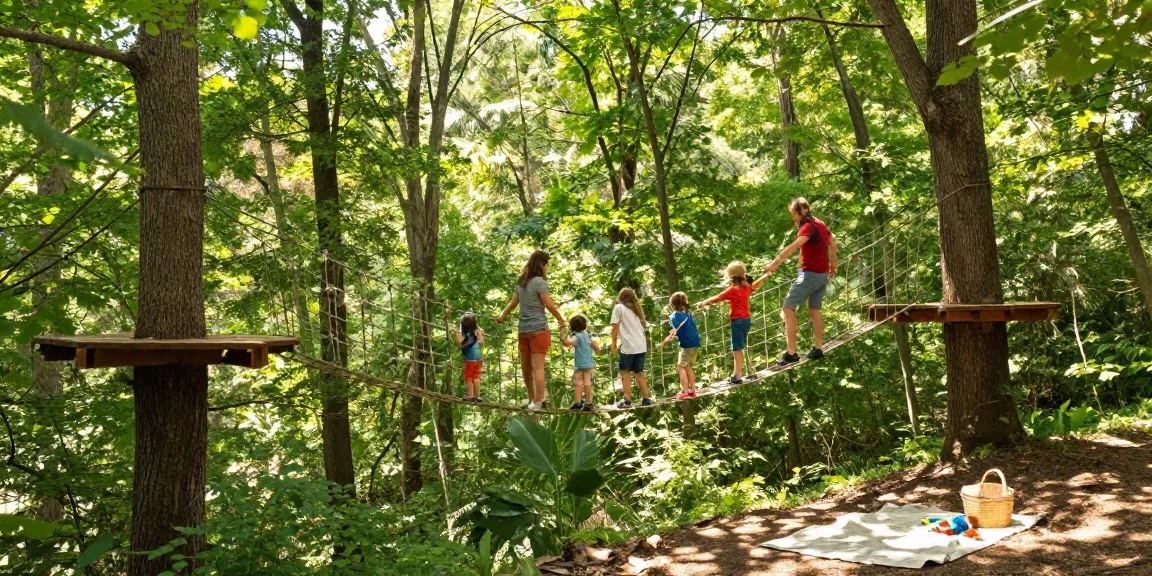
- Simple Suspension Bridges: These bridges consist of a central platform suspended by ropes attached to trees or other stable structures. They are commonly used in treehouses or playful outdoor settings.
- Monkey Bridges: Often found in Southeast Asia, these are basic structures where individuals walk across a single rope, using a second rope for balance. They are primarily used for quick crossings in rural areas.
- Hammock Bridges: Ideal for children and playful environments, these bridges are made from a series of tightly woven ropes, creating a ‘hammock’ effect, allowing for bouncing and movement while crossing.
- Obstacle Course Bridges: These bridges are designed for adventure parks or outdoor training areas, integrating fun challenges and activities with the crossing experience.
Constructing Your Own Rope Bridge
Building your own rope bridge can be an exciting project that encourages creativity and teamwork. Whether for a backyard adventure or a more complex outdoor setup, knowing the right materials and steps is crucial to ensure safety and structural integrity.
Materials Needed for Building a Rope Bridge
Before you begin constructing your rope bridge, gather the following materials:
- High-Quality Rope: Choose ropes that are durable and weather-resistant. Common options include polyester or nylon ropes, which provide strength without stretching.
- Wooden Planks or Platforms: These form the main walking surface. Ensure they are treated for weather resistance if the bridge will be outdoors.
- Anchors: To securely fasten the ropes, consider using tree straps or heavy-duty anchors for stability.
- Tools: You’ll need basic tools like a saw, drill, and a measuring tape to aid in construction.
Step-by-Step Guide to Building a Basic Rope Bridge
- Plan Your Design: Measure the distance between the two anchor points and sketch a basic design to ensure proper alignment.
- Prepare the Anchors: Securely attach the anchors to sturdy trees or solid ground structures at an appropriate height.
- Install the Ropes: Thread the rope through the anchors, ensuring it is taut but allows for some flexibility.
- Add the Walking Surface: Place the wooden planks or platforms at intervals, ensuring they are firmly fixed and stable.
- Test for Safety: Before allowing anyone to cross, apply weight to the bridge to ensure it can support multiple users safely.
Common Mistakes to Avoid When Building
To ensure a successful build, avoid these common pitfalls:
- Ignoring Weight Limits: Assess the maximum load the bridge can support before usage.
- Poor Material Selection: Skimping on quality can lead to failures; always choose reliable materials.
- Inadequate Testing: Never underestimate the importance of testing your bridge before actual use.
Designing Fun Activities Around Your Rope Bridge
Once your rope bridge is complete, the fun truly begins. There are numerous creative ways to incorporate it into outdoor activities that engage family and friends.
Adventure Games That Incorporate a Rope Bridge
Rope bridges can serve as exciting features in various adventure games. Consider the following ideas:
- Obstacle Courses: Create a series of challenges that include crossing the rope bridge, crawling under nets, and balancing on beams.
- Treasure Hunts: Organise a scavenger hunt where participants must cross the bridge to collect clues or find treasure.
Educational Opportunities with Rope Bridges
Rope bridges can also provide learning opportunities, especially in physics and engineering. Use the bridge as a hands-on experiment to teach:
- Force and Tension: Discuss how weight and tension affect the structure’s stability.
- Teamwork and Coordination: Engage learners in managing the crossing in groups, enhancing cooperative skills.
Creating a Themed Adventure Course
Consider theming your adventure course to include narratives that can immerse participants in imaginative play. Options include:
- Jungle Safaris: Transform your backyard into a jungle, with the rope bridge acting as a crossing over a ‘river’ of foam.
- Space Adventures: Design the course to represent a space mission, with the bridge symbolising a connection between two planets.
Maintenance and Safety of Rope Bridges
Maintaining your rope bridge is essential for ensuring its longevity and safety for users. Regular assessments can prevent unexpected accidents.
Regular Maintenance Tasks for Longevity
Adopt a maintenance schedule that includes:
- Inspecting Ropes: Regularly check for fraying or wear and replace damaged sections immediately.
- Tightening Loose Components: Ensure all connections and knots are secure to prevent slippage.
Inspecting Your Rope Bridge for Safety Hazards
Conduct thorough inspections to identify potential risks:
- Environmental Factors: Keep an eye on changes in the surrounding area, such as falling branches or soil erosion.
- User Feedback: Listen to those who use the bridge; their experiences can provide insights into any safety concerns.
Teaching Children the Importance of Safety
Involving children in safety discussions can enhance their understanding of responsible play. Consider the following:
- Setting Rules: Establish clear guidelines for safe usage, such as weight limits and crossing techniques.
- Incorporating Safety Gear: Use harnesses or helmets for children to instil safe practices during play.
The Future of Rope Bridges and Outdoor Activities
As we look towards the future, innovation in rope bridge designs and outdoor activities is set to grow, making them even more accessible and enjoyable for families.
Innovative Designs for Eco-Friendly Rope Bridges
With increasing environmental awareness, future rope bridges may incorporate sustainable materials, such as natural fibres and biodegradable components. These bridges will not only serve functional purposes but also reflect eco-friendly principles.
Trends in Outdoor Adventures for Families in 2026
Expect to see a rise in outdoor adventures that blend technology with nature. Virtual reality experiences could integrate with physical activities, enhancing user interactions with rope bridges and their surroundings.
Combining Technology and Nature in Rope Bridge Activities
Emerging technologies may allow for augmented reality challenges on rope bridges, creating interactive experiences that appeal to younger generations while promoting exercise and exploration.
What is a rope bridge called?
Rope bridges are often referred to by various names depending on their design and usage, including suspension bridges, monkey bridges, and hammock bridges.
How do you make a rope bridge?
To build a rope bridge, you need strong materials, proper planning, and adherence to safety guidelines. Following a structured plan can help you construct a reliable and enjoyable bridge.
What type of rope is best for a rope bridge?
The best ropes for rope bridges are typically high-strength polyester or nylon, known for their durability and resistance to weather conditions.
What are the safety features of a rope bridge?
Safety features may include reinforced anchors, adjustable tension systems, and reliable handrails to enhance user security during crossings.
Can rope bridges be used in playgrounds?
Absolutely! Rope bridges are popular playground installations, providing children with fun and challenging ways to enhance their physical fitness and coordination.