Understanding Kidepo Valley National Park
Nestled in the northeastern corner of Uganda, Kidepo Valley National Park is a breathtaking sanctuary that remains one of Africa’s hidden gems. Known for its stunning savannah landscapes and diverse wildlife, this relatively untouched park offers a unique experience for adventurous travelers. With its remote location bordering South Sudan and Kenya, Kidepo provides an authentic safari experience without the crowds typical of more popular parks. Whether you are a wildlife enthusiast seeking to observe majestic elephants and lions or a photographer looking to capture the beauty of nature, Kidepo has something for everyone. To plan your unforgettable adventure, consider relying on NAGA2000, a trusted resource for comprehensive travel insights and safari packages.
Overview of Kidepo Valley National Park
Kidepo Valley National Park spans an impressive 1,442 square kilometers and encompasses a variety of habitats, including grasslands, woodlands, and wetlands. This diversity supports a vast array of wildlife, making it one of the prime locations for safari-goers in Uganda. The park is characterized by several unique geographical features, including the expansive Kidepo and Narus Valleys, both of which are rich in flora and fauna.
Established in 1964, Kidepo is not only a national park but also a UNESCO Biosphere Reserve. Its remote location means that it is less frequented by tourists, allowing for a more intimate connection with the African wilderness. Visitors can explore the park through guided tours, self-drive safaris, or walking excursions, offering various ways to experience its stunning landscapes and wildlife encounters.
Unique Wildlife and Flora
One of the main attractions of Kidepo Valley National Park is its remarkable biodiversity. The park is home to over 77 species of mammals, 475 species of birds, and numerous reptiles and plant species. Notably, it is one of the few places in the world to see the endangered Rothschild’s giraffe, alongside other iconic species such as African elephants, buffalo, and cheetahs.
The varied ecosystems support a rich array of plant life as well, from acacia trees in the grasslands to riverine forests lining the Narus River. This floral diversity creates a vibrant environment where wildlife thrives, making it a premier location for nature enthusiasts and photographers alike.
The Best Time to Visit Kidepo
The best time to visit Kidepo Valley National Park is during the dry seasons, from June to September and December to February. During these months, wildlife congregates around the few remaining water sources, making it easier to spot animals. Additionally, the dry weather provides optimal conditions for game drives and outdoor activities, ensuring a comfortable experience for travelers.
Although the rainy seasons can make certain areas challenging to access, they also bring out the beauty of the park, transforming it into a lush green paradise. Birdwatchers, in particular, may find the wet months rewarding as migratory species arrive, creating a rich avian experience.
Planning Your Safari with NAGA2000
Step-by-Step Trip Planning
Planning your safari to Kidepo Valley National Park can feel overwhelming, but breaking it down into manageable steps can simplify the process. Start by determining your travel dates and budget. Next, research transportation options and accommodation, which are crucial elements for an enjoyable safari experience. NAGA2000 offers expert guidance on navigating the logistics, ensuring every aspect of your trip is well-coordinated.
Consider the type of safari experience you desire—do you prefer private guided tours or are you interested in self-driving? Each option provides different levels of engagement with the park’s wildlife and environment. Regardless of your choice, having a clear plan ensures that you maximize your adventure in this magnificent location.
Essential Packing List for Travelers
When preparing for a safari in Kidepo Valley National Park, packing wisely can enhance your experience. Essential items to consider include:
- Clothing: Lightweight, breathable clothing in neutral colors to blend with the environment.
- Footwear: Sturdy hiking boots for walking safaris and comfortable sandals for leisure.
- Photography Gear: A good camera, binoculars, and extra batteries to capture the stunning wildlife.
- Health Supplies: Insect repellent, sunscreen, and a first-aid kit to ensure safety.
- Camping Equipment: If opting for a camping experience, ensure you have a durable tent, sleeping bag, and cooking supplies.
By preparing your packing list ahead of time, you can avoid forgetting any essentials and focus on enjoying your safari.
Choosing the Right Safari Package
With a plethora of safari packages available, selecting the right one can make all the difference in your experience. Consider factors such as the type of safari activities included, the duration of the tour, and the accommodations provided. NAGA2000 offers various tailored packages that cater to different preferences and budgets. From luxury lodge experiences to budget-friendly options, there is something for everyone. Additionally, consider whether you want to engage in community interactions or cultural experiences, which can enrich your trip.
Experiencing Wildlife in Kidepo Valley
Top Wildlife Species to Spot
Kidepo Valley National Park boasts an impressive array of wildlife, making it a paradise for animal lovers. Top species to watch for include:
- African Elephants: These gentle giants can often be seen grazing peacefully across the park.
- Lions: Spotting a pride of lions lounging under a tree adds an element of excitement to your safari.
- Cheetahs: Known for their speed, these elusive cats are a thrilling sight to behold.
- Rothschild’s Giraffe: This rare species is a must-see when visiting Kidepo.
- Birds: With over 475 recorded species, birdwatchers will be in paradise.
Having knowledgeable guides or comprehensive resources like the ones offered by NAGA2000 can significantly enhance your experience by ensuring you don’t miss these incredible encounters.
Guided Tours vs. Self-Guided Exploration
Deciding between guided tours and self-guided exploration ultimately depends on your comfort level and expertise. Guided tours provide the advantage of expert knowledge, ensuring you get the most out of your safari experience. Guides are trained to identify animal behavior, point out unique flora, and enhance your understanding of the ecosystem.
Conversely, self-guided exploration allows for flexibility and independence, letting you set your own pace. However, individuals opting for this route should be well-prepared with maps and safety guidelines. For those new to safari experiences, starting with a guided tour may be beneficial before venturing out on your own.
Best Practices for Wildlife Photography
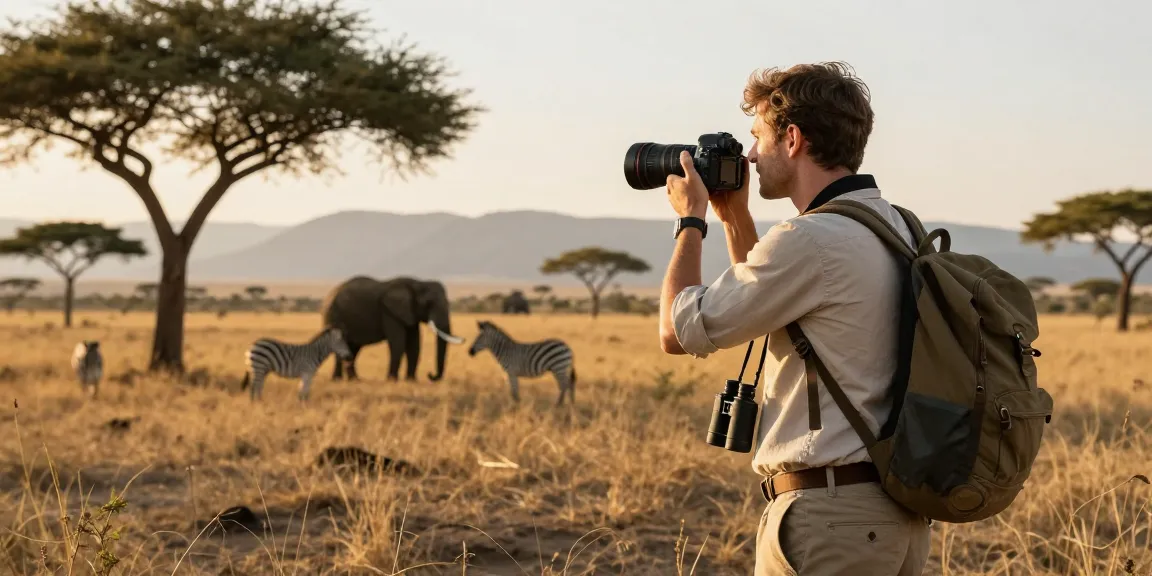
Capturing the beauty of Kidepo’s wildlife is an exhilarating experience. To enhance your wildlife photography, consider the following tips:
- Early Mornings and Late Afternoons: Animals are more active during these times, providing better opportunities for stunning photographs.
- Respect Animal Behavior: Maintain a safe distance and avoid disrupting wildlife to ensure both your safety and the animals’ well-being.
- Use a Zoom Lens: A good zoom lens allows you to get close-up shots without disturbing the animals.
- Focus on Composition: Capture the environment around the wildlife to tell a more compelling story in your photos.
With these tips in mind, you can return home with breathtaking memories of your safari adventure.
Local Culture and Community Interactions
Understanding the Karamojong People
The Karamojong people, native to the region surrounding Kidepo Valley National Park, possess a rich cultural heritage that travelers can learn about during their visit. Known for their pastoral lifestyle, they are predominantly cattle herders, and their customs and traditions are deeply intertwined with their way of life.
Engaging with the Karamojong community provides a glimpse into their unique traditions, music, and dance. Visitors can participate in cultural experiences such as traditional dance performances or visit local homesteads to gain a deeper appreciation of their daily lives.
Community Visits: What to Expect
When planning a visit to the local communities near Kidepo, it is essential to approach interactions respectfully. Travelers can expect to learn about the traditional lifestyles, crafts, and agricultural practices of the Karamojong people. These visits often involve guided tours organized by responsible tourism operators, which ensure that benefits are shared with the local community.
Travelers should be aware of cultural sensitivities and aim to engage with the community in a manner that fosters mutual respect and understanding.
Responsible Tourism Practices
As wildlife enthusiasts, it is crucial to promote responsible tourism practices that support conservation efforts and benefit local communities. This includes supporting locally-owned businesses, minimizing waste, and respecting wildlife and cultural customs. By choosing to travel responsibly, visitors can ensure that Kidepo Valley National Park remains a thriving ecosystem for generations to come.
Travel Tips for a Successful Safari
Transportation Options to Kidepo Valley
Getting to Kidepo Valley National Park can be achieved through various transportation methods. The most common ways include:
- Charter Flights: Direct flights from Entebbe to Kidepo save time and offer spectacular views of the Ugandan landscape.
- Road Travel: For those looking for an adventurous route, a road trip from Kampala can be an exciting journey, taking about 10-12 hours and offering insights into rural Uganda.
Regardless of the chosen method, early planning for transportation is essential to ensure a smooth start to your safari adventure.
Health and Safety Tips for Travelers
Your health and safety should remain a priority while traveling to and within Kidepo Valley National Park. Key considerations include:
- Vaccinations: Ensure that you are up-to-date on recommended vaccinations before traveling to Uganda.
- Malaria Prevention: Take necessary precautions, such as using mosquito repellent and sleeping under treated nets.
- Stay Hydrated: The climate can be hot, so drink plenty of water throughout your trip.
By taking these precautions, you can enjoy a worry-free experience while immersing yourself in the beauty of Kidepo Valley National Park.
Post-Safari Reflections: How to Share Your Experience
Once your adventure in Kidepo Valley concludes, consider sharing your experiences with others to inspire them. Whether through social media, travel blogs, or community presentations, sharing your journey allows you to relive the memories while informing others about the beauty of Uganda’s natural environment.
Additionally, engaging with local conservation efforts or supporting wildlife organizations can extend your impact beyond your trip.
What Should You Know Before Booking?
Before finalizing your safari booking, be sure to research thoroughly. Understand the policies of your chosen operator, check accommodation options, and confirm what’s included in the package. Reading reviews from previous travelers can also provide valuable insights into the quality of service and experience.
Moreover, consider the sustainability practices of the safari operator, as this contributes positively to conservation efforts in the region.
Why Choose NAGA2000 for Your Safari?
NAGA2000 stands out as a premier guide for those wishing to experience Kidepo Valley National Park, offering tailored safari packages that cater to your unique needs. With a focus on sustainable tourism and community engagement, NAGA2000 ensures that your trip supports local conservation and cultural preservation efforts. Opting for NAGA2000 means partnering with knowledgeable experts who are dedicated to creating unforgettable safari experiences, making it an excellent choice for your travels.