
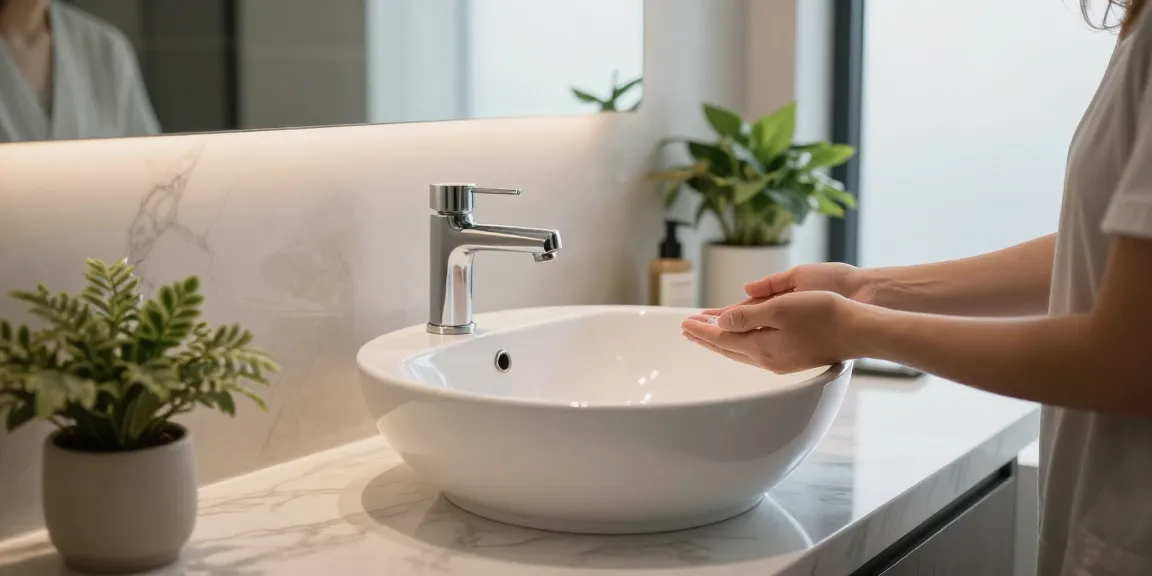
Understanding Ablution Wash Basins
Ablution wash basins are specialized fixtures designed for performing ablution, a ritual washing practice that holds significant importance in various cultures, particularly within Islamic traditions. These basins facilitate necessary hygiene rituals before prayers, ensuring cleanliness and adherence to spiritual practices. When exploring options, ablution wash basin provides comprehensive insights into choosing the right model that aligns with both functional and aesthetic needs.
What is an Ablution Wash Basin?
An ablution wash basin, commonly referred to as a wudu basin, is a dedicated sink that is specifically designed to accommodate the ritual washing requirements before prayer. These basins typically feature multiple stations, allowing several individuals to perform ablution simultaneously, making them ideal for mosques, community centers, and public spaces. The design and functionality are tailored to promote convenience and efficiency in maintaining cleanliness.
The Importance of Hygiene in Islamic Practices
In Islamic culture, hygiene is not just a matter of physical cleanliness, but also spiritual purity. Ablution is a prerequisite for prayer, emphasizing the importance of washing certain body parts, including the hands, face, and feet. This ritual cleansing acts as a preparation for spiritual engagement and reflects the values of purity and respect within the faith. The ablution wash basin thus becomes an essential element in religious settings, reinforcing the connection between cleanliness and spirituality.
Differences Between Ablution and Traditional Wash Basins
While traditional wash basins serve general washing purposes, ablution wash basins come with unique specifications to cater to specific needs. These differences include:
- Design: Ablution basins often feature a lower height and multiple outlets for simultaneous use, whereas traditional sinks are typically designed for individual use.
- Water Flow: They may incorporate special water management systems to conserve water during the ablution process, unlike standard wash basins.
- Material: Ablution wash basins are often made from non-porous materials that resist staining and are easier to sanitize.
Key Features to Look For
Material Choices for Durability
When selecting an ablution wash basin, the material plays a crucial role in durability and functionality. Common materials include:
- Solid Surface: Provides seamless integration, is easy to clean, and offers a sleek aesthetic.
- Porcelain: Known for its durability and shine, often used in high-traffic areas.
- Stainless Steel: Offers high resistance to corrosion and is ideal for outdoor or public spaces.
Each material has its own advantages; for instance, solid surface materials can be thermoformed to achieve custom designs that enhance the user experience.
Design Considerations for Space Efficiency
Space efficiency is essential, especially in areas where multiple users will engage in ablution. Considerations include:
- Compact Designs: Opt for basins that save space without compromising on functionality.
- Modular Systems: These can be adjusted according to the layout of the environment and the number of users, providing flexibility.
- Integrated Features: Features like soap dispensers and towel holders should be considered to create a holistic washing station.
Water Efficiency and Environmental Impact
In light of increasing concerns regarding water conservation, selecting an ablution wash basin that incorporates water-efficient technologies can significantly reduce consumption. Features to look for include:
- Low Flow Faucets: These can help minimize water usage during the ablution process.
- Smart Sensors: Automatically activate water flow only when necessary, reducing wastage.
- Eco-Friendly Materials: Opt for materials sourced sustainably to lessen the environmental footprint.
Common Mistakes in Selection
Ignoring Local Building Codes
One common misconception is disregarding local building codes and regulations when selecting an ablution wash basin. It is vital to ensure compliance with relevant standards, which can affect installation and usage.
Choosing Aesthetic Over Functionality
While the design is important, prioritizing aesthetics over functionality can lead to poor user experience. The basin must meet the practical needs of the users first.
Neglecting Maintenance and Cleaning Needs
Another mistake is neglecting the ease of maintenance. Choose materials and designs that are easy to clean and maintain to ensure longevity and hygiene.
Practical Tips for Installation
Preparing Your Space for an Ablution Wash Basin
Before installation, assess the space to ensure it can accommodate the wash basin comfortably. Consider user volume, the frequency of use, and accessibility, which are essential factors in your layout decision.
Hiring the Right Professional for Installation
Choosing an experienced plumber or contractor is vital for installing your ablution wash basin correctly. Ensure they understand the specific requirements for such fixtures, including plumbing layouts and local regulations.
Ensuring Proper Plumbing and Drainage
Plumbing and drainage must be adequately planned in advance to avoid issues such as clogging or overflow. Review local codes on drainage capacity to ensure compliance.
Future Trends in Ablution Wash Basins
Emerging Materials and Technologies in 2026
The future of ablution wash basins is leaning towards innovative materials and smart technologies. Expected trends include:
- Biodegradable Materials: Innovations in eco-friendly materials that decompose over time, promoting sustainability.
- Smart Technology: Integration of smart sensors and controls that enhance user experience while conserving resources.
Eco-Friendly Innovations in Design
With growing awareness of environmental issues, manufacturers are focusing on eco-friendly designs that minimize water usage and energy consumption while still offering functionality and style.
Customization Options for Modern Spaces
Customization will become increasingly important, as customers seek basins that suit their unique space requirements and aesthetic preferences. This trend toward personalized options allows for greater flexibility in design.
What maintenance is required for ablution wash basins?
Regular cleaning and maintenance are crucial to ensure the wash basin remains hygienic and functional. This includes using non-abrasive cleaners, checking for leaks, and cleaning any mineral deposits that can accumulate over time.
How does an ablution wash basin differ from a standard sink?
Ablution wash basins are specifically designed for ritual washing, featuring multiple outlets for simultaneous use and often incorporating water-saving technologies, distinguishing them from standard sinks.
Are there specific regulations for ablution wash basins?
Yes, various local building codes and regulations govern the installation of ablution wash basins, especially in public and religious spaces. Ensure compliance to avoid any legal issues.
What modern designs are popular for 2026?
Trends indicate a shift towards minimalist designs with integrated features, eco-friendly materials, and smart technology that enhance user engagement while promoting efficient use of resources.
How can I ensure water efficiency in my wash basin?
Opt for models that come equipped with low-flow faucets, smart sensors, and designs that maximize usage while minimizing waste. This will not only help reduce your water bill but also contribute positively to environmental sustainability.


