Understanding the Used Outboard Engine Market
The market for used outboard engines in the USA has seen significant growth over recent years, driven by a combination of affordability, innovation, and a passion for boating. As more enthusiasts seek to upgrade their vessels without breaking the bank, the demand for quality used outboard engines has intensified. When exploring options, used outboard engine USA provides comprehensive insights into the available choices and what to consider before making a purchase.
What Defines a Used Outboard Engine?
A used outboard engine is defined as any outboard motor that has been previously owned and is now available for resale. These engines vary in age, make, model, and condition. Typically, they are assessed based on their performance metrics, maintenance history, and the overall market demand. Buyers often look for engines that are reliable and provide effective power for their boating needs without the high cost associated with new engines.
Market Trends in the Used Outboard Engine USA
Current trends in the used outboard engine market reflect a growing preference for eco-friendly options and technological advancements. Consumers are increasingly seeking engines that offer better fuel efficiency and lower emissions. The availability of hybrid and electric models is becoming more mainstream, catering to environmentally conscious buyers. Additionally, the resale market for reputable brands like Yamaha, Honda, and Mercury is booming as boaters understand the value of investing in trusted manufacturers.
Buyer Expectations and Common Misconceptions
Many potential buyers come with preconceived notions about used outboard engines. A common misconception is that these engines are always unreliable or past their prime. However, with proper research and due diligence, buyers can find high-quality used engines that offer exceptional performance. It is crucial to understand that every engine has a unique history, making it essential to assess each one individually rather than relying solely on brand reputation or age.
Key Factors to Consider When Purchasing
Assessing Engine Condition and Performance
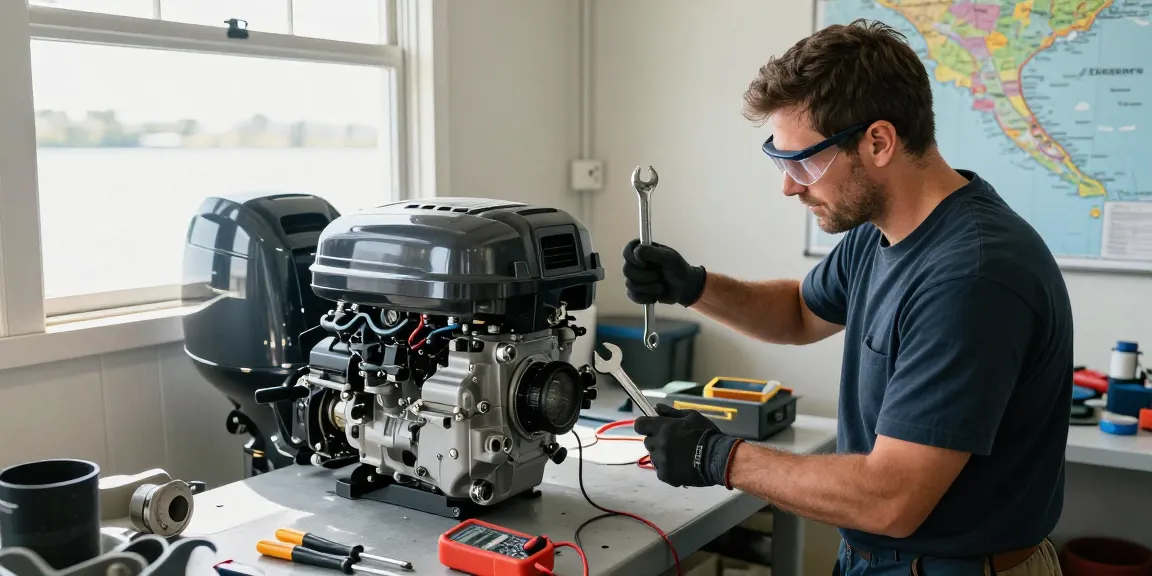
When purchasing a used outboard engine, buyers should conduct a thorough inspection to assess its condition. Key factors to examine include:
- Visual inspection: Look for signs of wear, corrosion, or damage.
- Hours of use: Determine how much the engine has been used and whether it has had regular maintenance.
- Performance tests: If possible, conduct a test run to evaluate acceleration, idling, and overall responsiveness.
- Documentation: Request records of maintenance and repairs to gauge the engine’s history.
Price Points and Value Assessment
Price is a significant factor when evaluating used outboard engines. Buyers should compare prices from various sellers and platforms to determine a fair market value. It is also important to factor in the engine’s condition, age, and brand reputation. Good deals might require some negotiation, especially if there are minor issues that can be easily fixed.
Warranties and Post-Purchase Support
In the used engine market, warranties can vary significantly. Some sellers may offer limited warranties, while others sell engines “as is.” Buyers should inquire about any available warranties or post-purchase support options, as this can provide peace of mind in case of unexpected issues arising shortly after the purchase.
Maintenance Best Practices for Longevity
Routine Checks and Servicing Recommendations
To extend the life of a used outboard engine, regular maintenance is crucial. Owners should adhere to a scheduled maintenance routine that includes:
- Checking fluid levels (oil, fuel, and coolant).
- Inspecting the propeller for damage and ensuring it is properly aligned.
- Cleaning the engine’s cooling system to prevent overheating.
- Replacing worn parts, including spark plugs and filters.
Seasonal Maintenance Tips for Outboard Engines
Seasonal changes can significantly impact engine performance. Before launching for the season, it is advisable to perform end-of-winter checks, such as:
- Flushing the engine with freshwater to remove salt and debris.
- Inspecting fuel lines and replacing old fuel with fresh gasoline.
- Checking the battery and ensuring it is fully charged.
Common Repairs and Troubleshooting Techniques
Understanding common repair solutions can help owners address issues promptly. Some regular problems include:
- Starting issues, often related to battery or ignition problems.
- Overheating engines due to clogged cooling systems.
- Fuel delivery issues which may result from clogged filters.
Knowing basic troubleshooting strategies can save both time and money.
Emerging Technologies in Outboard Engines
The Role of Eco-Friendly Innovations in the Market
As environmental concerns rise, the spotlight is on eco-friendly innovations within the outboard engine industry. Manufacturers are now producing engines that meet stringent emissions standards, focusing on electric and hybrid technologies. These advancements not only comply with regulations but also offer significant savings on fuel over time.
Future Trends for Outboard Engines by 2026
Looking toward 2026, we can expect further developments in engine technology, including:
- Increased adoption of smart technologies that enhance performance monitoring and diagnostics.
- More manufacturers offering subscription-based services for engine rentals and maintenance.
- Innovations in lightweight materials that improve efficiency and maneuverability.
Adapting to Digital Tools for Maintenance and Repairs
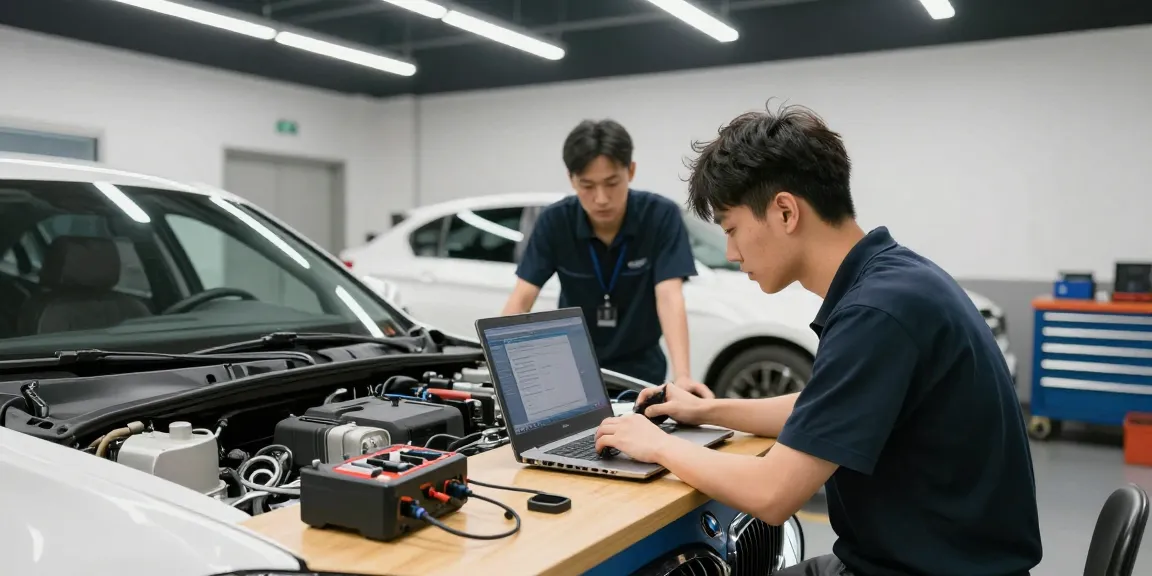
The rise of digital tools and applications makes it easier for boat owners to manage their outboard engines. Apps that track maintenance schedules, provide troubleshooting assistance, and connect users with local service providers are gaining popularity. Embracing such technologies can lead to better engine performance and longevity.
Success Stories and Real-World Examples
Case Study: Reviving Classic Outboard Engines
Many enthusiasts find joy in reviving classic outboard engines. One notable case is a group of restorers who successfully brought back a 1970s Johnson 25 HP engine. Through diligent research, sourcing of rare parts, and meticulous craftsmanship, they transformed a rusty engine into a reliable power source for fishing excursions. Such projects highlight the potential of used outboard engines beyond their initial life cycle.
User Testimonials: Satisfaction and Reliability
User testimonials shine a light on the satisfaction derived from purchasing used outboard engines. Many customers report positive experiences where they found engines that exceeded their expectations in durability and performance. By sharing their stories, they encourage others in the boating community to consider the benefits of used engines.
Community Resources for Outboard Enthusiasts
The online community dedicated to outboard engines is vast and supportive. Forums, social media groups, and local clubs offer invaluable resources for newcomers and seasoned boaters alike. Engaging with these communities can provide insights on maintenance tips, reviews of specific engine models, and connections to fellow enthusiasts who share similar interests.
What are the benefits of buying a used outboard engine USA?
Purchasing a used outboard engine can provide several benefits, including cost savings, the ability to acquire brand names at a lower price, and the opportunity to upgrade to a more powerful model without the hefty price tag of a new engine. Furthermore, many used engines have a proven reliability track record.
How to evaluate the condition of a used outboard engine?
Evaluating the condition of a used outboard engine involves a comprehensive inspection process. Prospective buyers should look for physical signs of wear or damage, request maintenance records, and, if possible, conduct a performance test to ensure it meets their operational needs.
What maintenance is required for outboard engines?
Outboard engines require regular maintenance that includes oil changes, filter replacements, and inspections of electrical systems and fuel lines. Seasonal checks are also essential to prepare the engine for storage or launching.
Are there warranties available for used outboard engines?
Warranties for used outboard engines can vary widely, with some sellers offering limited warranties while others do not. It’s essential for buyers to inquire about any available warranty options and understand the coverage details.
What are the latest innovations in outboard engine technology?
The latest innovations in outboard engine technology include advancements in fuel efficiency, the introduction of hybrid and electric outboards, and digital monitoring tools that assist in maintenance and performance assessments.