Understanding AI Trading Software
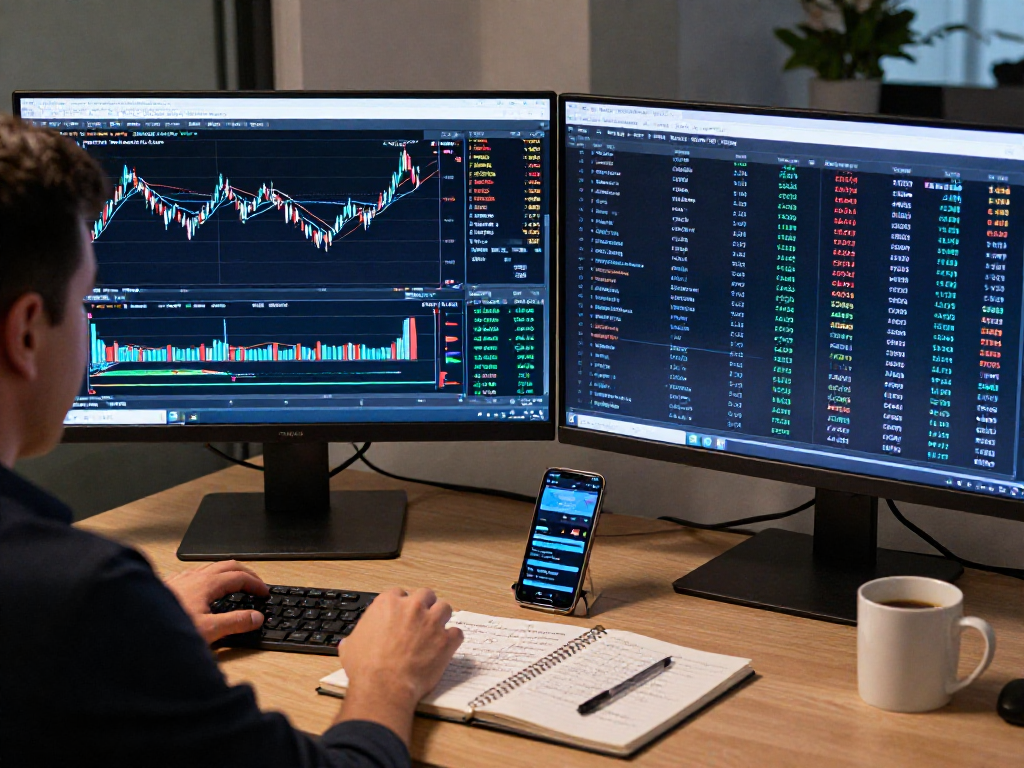
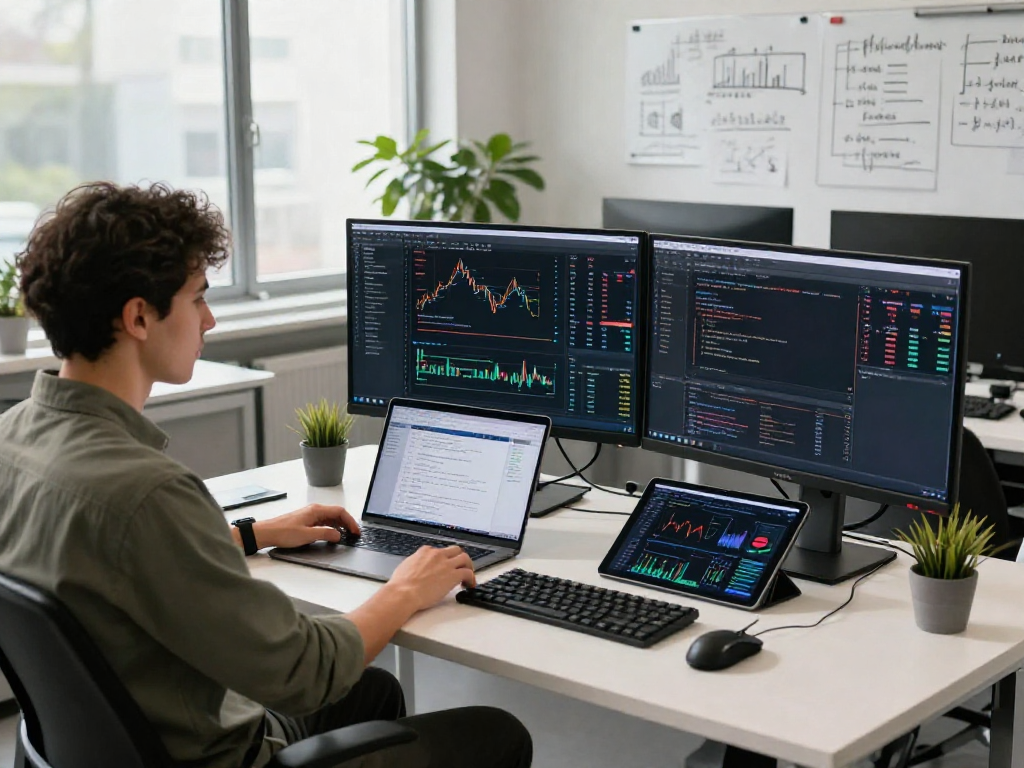
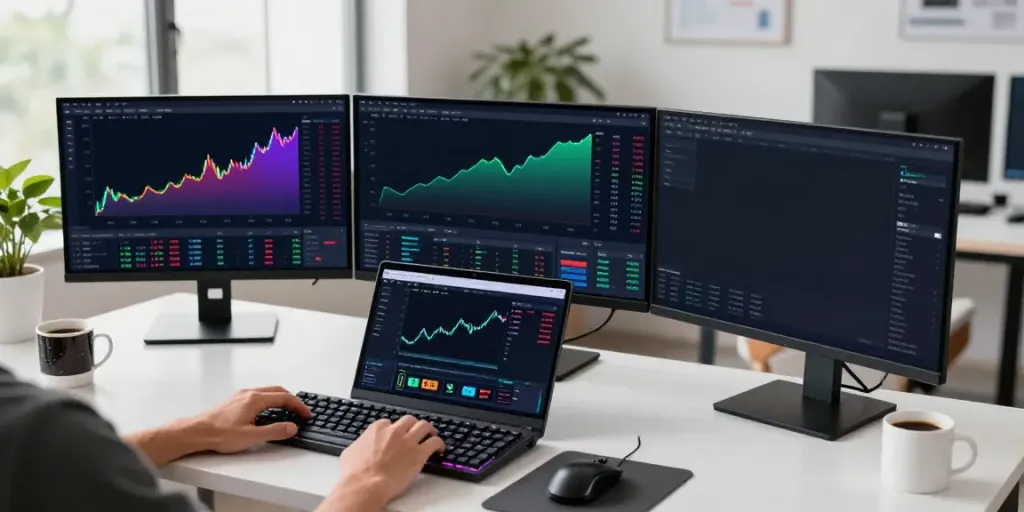
In the dynamic world of cryptocurrency, the fusion of artificial intelligence (AI) and blockchain technology is reshaping trading strategies and investment opportunities. AI trading software leverages sophisticated algorithms and machine learning models to automate trading processes, mitigate risks, and enhance decision-making accuracy. This innovation paves the way for seamless investments across numerous cryptocurrencies while providing traders with data-driven insights. For those eager to explore these advancements, Ai Trading Software offers comprehensive tools and resources tailored to various trading strategies.
What is AI Trading Software?
AI trading software refers to platforms that employ artificial intelligence algorithms to execute trades automatically or provide predictive analytics to traders. These systems analyze vast amounts of financial data, including price trends and trading volumes, to identify potential trading opportunities. By automating repetitive tasks, AI trading software significantly reduces the time and effort required for traders, allowing them to focus on strategy development and market analysis. The key components of these systems include natural language processing (NLP), machine learning, and neural networks, which collectively enhance decision-making and execution.
How AI Paves the Way for Automated Trading
Automation facilitated by AI allows traders to act swiftly on market fluctuations without being hindered by human emotions or biases. By integrating AI, traders can utilize backtesting to validate strategies against historical data, ensuring higher chances of success when entering trades. Machine learning algorithms improve over time, continuously adjusting their strategies based on real-time data and market predictions, which enhances performance efficiency and accuracy. The reduction in human error and emotional trading provides a competitive edge to users of AI trading platforms.
Advantages of Using AI in Trading
- Increased Efficiency: AI trading software can execute trades at speeds impossible for humans, capturing profitable opportunities in milliseconds.
- Data-Driven Insights: These platforms analyze vast datasets, providing actionable insights that inform trading decisions.
- 24/7 Market Monitoring: AI systems can simultaneously track multiple markets around the clock, ensuring traders are well-informed of market movements.
- Risk Management: Advanced algorithms include risk assessment mechanisms, automatically adjusting positions based on volatility and market conditions.
AI Trading Software Features
Configurable Strategy Profiles
One of the key features of AI trading software is the ability to customize trading strategies according to individual preferences and risk tolerance. Users can define specific parameters such as profit targets, maximum slippage, and execution modes to align with their trading styles. This personalization allows for tailored approaches that consider market conditions and personal investment goals. Different software tiers often offer varied strategy profiles, enhancing the capability to adjust to changing market dynamics.
Market Analysis and Optimization
AI trading systems conduct thorough market analyses utilizing algorithms that detect patterns and trends. This analysis not only informs the software about optimally timed entry and exit points but also allows for comparative assessments of price spreads across different exchanges. AI-powered optimization can help traders identify arbitrage opportunities, capitalizing on price differences between markets. Institutions and experienced traders benefit from strategies that actively modify based on ongoing market conditions.
User-Defined Parameters and Results Tracking
Advanced AI trading platforms provide users with tools to adjust their trading parameters based on risk appetite and market behavior. Users can modify conditions such as the profit threshold, user-defined stop losses, and take profits. This flexibility ensures the software can adapt to evolving strategies while tracking performance in real-time. Analytical dashboards illustrate results, allowing users to evaluate trading effectiveness, modify strategies, and improve future performance.
Security Measures in AI Trading
Protecting Private Keys and Wallets
Security in the cryptocurrency space is paramount, particularly concerning private keys and wallets. Well-designed AI trading software employs multiple layers of encryption to safeguard sensitive information related to digital wallets. Private keys should never be shared or stored in plaintext form, which could expose assets to risks. Users are encouraged to use hardware wallets for increased security when engaging in trading and investment activities on AI platforms.
Best Practices for Secure API Integration
When using AI trading software that interfaces with various exchanges via APIs, ensuring robust security protocols is essential. Secure API keys should be generated with appropriate permissions, avoiding unnecessary access to protect sensitive information. Additionally, regular audits of API access logs can help identify unauthorized attempts to access or manipulate trading accounts, safeguarding funds against exposure.
Understanding Server-Side Security Protocols
The security architecture of AI trading platforms usually includes server-side measures, such as HttpOnly cookies and session management, to prevent unauthorized login attempts. Rigorous password policies are critical in reducing vulnerability to brute force attacks. Encrypted connections (HTTPS) serve to protect data as it travels between users and servers, ensuring safer transaction processing and authentication.
Comparative Analysis of Top AI Trading Platforms
Feature Breakdown of Leading Tools
Understanding the diverse features offered by various AI trading software can help users make informed decisions about which platform best suits their needs. Key factors to consider include usability, strategy customization, market coverage, and support for algorithmic trading. Platforms may differ in their integration capabilities with exchanges, willingness to facilitate unique strategies, and overall performance analytics.
User Experiences and Reviews
Reviews from users often reveal insights about the reliability and performance of AI trading software. Customers generally appreciate platforms that effectively minimize risks while achieving returns near or above their set thresholds. However, experiences may vary based on individual trading strategies, market conditions, and the specific settings used within the software.
Pricing Structures and Tiered Services
Pricing models for AI trading platforms can vary widely, from subscription-based plans to one-time payments, with tiered services allowing for different levels of access and features. It is essential for users to carefully evaluate the pricing structure in relation to the features offered to ensure they are receiving value for their investment. Higher tiers usually provide more complex strategies and optimizations at a greater cost.
Future of AI in Cryptocurrency Trading
Emerging Technologies and Innovations
The intersection of AI and blockchain technology continues to evolve, with emerging technologies promising to offer enhanced trading capabilities. Innovations such as quantum computing and advanced predictive analytics are expected to revolutionize trading efficiency and strategy effectiveness. As these technologies develop, AI systems will become increasingly sophisticated, leading to opportunities and challenges alike in the trading ecosystem.
Predictions for AI Trading Software Advancement
Anticipating future advancements in AI trading software requires an understanding of market dynamics and technology trends. Predictions suggest platforms will become more intuitive, employing advanced machine learning techniques capable of refining strategies based on user behavior and performance outcomes. Additionally, as competition grows in the crypto trading landscape, platforms will likely enhance user experiences through improved interface designs, customer support, and educational resources.
Regulatory Impacts on AI Trading Practices
As AI trading practices gain popularity, regulatory frameworks around the world are adapting to address the complexities introduced by automated trading systems. Compliance with regulations such as the EU's MiCA and guidelines from the SEC and CFTC is vital for ensuring sustainable operations in the cryptocurrency market. Monitoring regulatory shifts will be crucial for these platforms to assure users that they operate within legal parameters while safeguarding investors.
What is the best AI trading software?
The best AI trading software ultimately depends on individual trading preferences, risk tolerance, and desired features. Platforms such as Trade Ideas, TrendSpider, and JetPocket.io stand out for their unique offerings, analytics capabilities, and automation tools suited for different traders ranging from novices to experienced professionals. It is crucial to assess potential platforms based on comprehensive market analysis and personal criteria before committing to one solution.
Can I make $1000 per day from trading?
While making $1000 per day from trading is an aspirational goal for many, it is bound by the inherent volatility and unpredictability of the cryptocurrency markets. Factors such as market conditions, investment size, trading strategy, and risk management play significant roles in determining achievable daily earnings. Never invest more than you can afford to lose, as cryptocurrency investments carry high risk and volatility.
Does AI trading software really work?
AI trading software does work by leveraging data-driven insights to make informed trading decisions. However, results are not guaranteed, and performance outcomes can vary widely based on market conditions and the effectiveness of specific trading algorithms. It is critical for users to conduct thorough research (DYOR) and backtest strategies before fully relying on automated trading systems.
Can you make $200 per day in day trading?
Achieving $200 per day in day trading is possible; however, it requires skill, strategy, and an understanding of market movement. Traders often use effective risk management techniques and analysis tools to enhance their chances of success. By diversifying investments and employing various technical and fundamental analysis methods, participants can increase their potential for daily profits, while also recognizing that some days will inevitably yield losses.