Understanding TradingView: The Basics
As a leading platform for traders and investors, TradingView is more than just a place to view market data; it is a comprehensive tool that empowers users to analyze, chart, and share insights in real time. With millions of active users, it fosters a vibrant community for sharing strategies while offering powerful features that cater to both novice and seasoned traders. When exploring options, tradingview provides comprehensive insights into market trends and trading techniques.
What is TradingView?
TradingView is an online platform that offers sophisticated market analysis, charting tools, and financial insights. Established to bridge the gap between casual investors and market professionals, it integrates features such as social networking, allowing traders to share their analysis and discuss strategies live.
Key Features of TradingView
- Advanced Charting Tools: With customizable charts that include a variety of technical indicators, TradingView allows users to conduct in-depth analyses of market movements.
- Real-Time Data: The platform offers live data from various exchanges, providing users with up-to-the-minute insights.
- Social Networking Features: Users can share ideas, comment on each other's analyses, and provide feedback, fostering a collaborative environment.
- Alerts and Notifications: Set custom alerts for price movements, indicator changes, or specific metrics to stay informed without constant monitoring.
- Multi-Device Accessibility: Available on desktop and mobile, TradingView allows traders to access their accounts and analyze markets on-the-go.
How TradingView Benefits Traders
TradingView is particularly beneficial because it combines advanced analytical tools with a social platform. This synergy allows traders to make informed decisions based on collective insights and real-time data. Furthermore, the platform’s adaptability means it can cater to various trading styles, from scalping to long-term investing.
TradingView Interface: A Comprehensive Guide
To fully utilize TradingView, understanding its interface is crucial. The platform is designed with user-friendliness in mind, catering to both beginners and advanced users alike.
Navigating the Dashboard
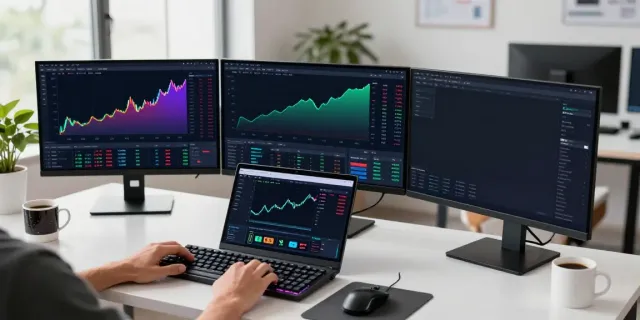
The dashboard is the hub of TradingView, providing quick access to your charts, watchlists, and community discussions. Key elements include the main chart area, where users can analyze market trends, and the sidebar that contains additional tools and features for seamless navigation.
Customizing Your Charts
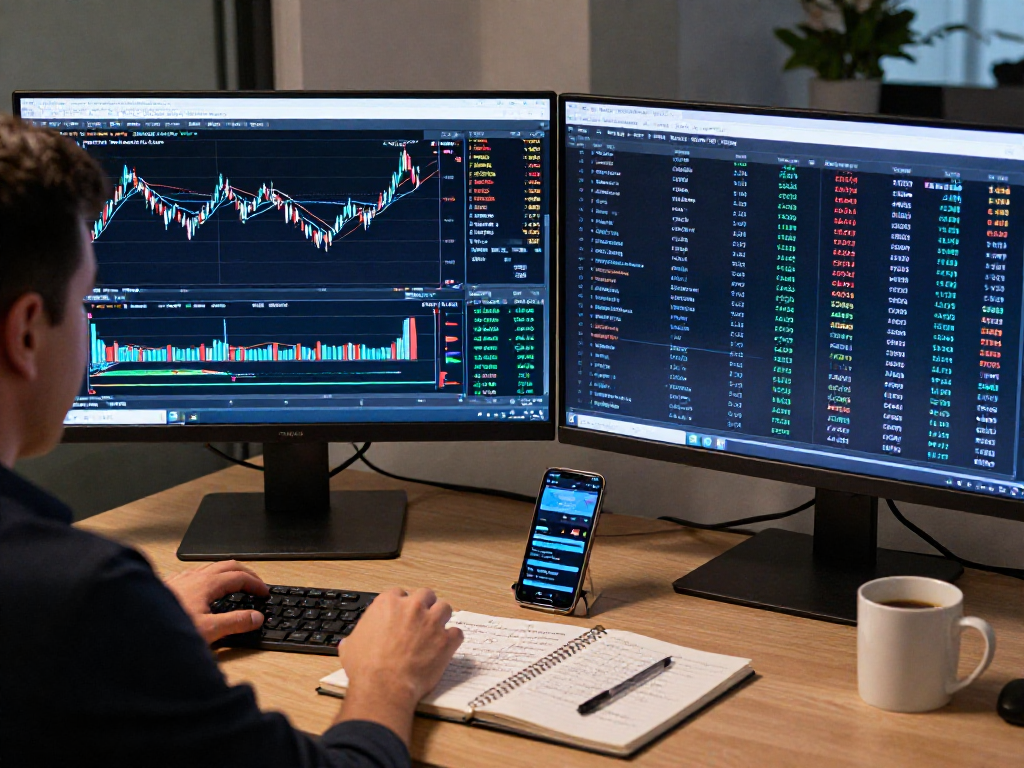
One of the standout features of TradingView is the ability to customize charts extensively. Users can choose from a variety of chart types, including line, bar, and candlestick charts, and apply numerous indicators to enhance their analysis. This level of customization helps traders visualize data in ways that best suit their strategies.
Integrating Trading Tools
TradingView supports integration with various trading tools and brokers. Users can execute trades directly from the platform and leverage APIs for automated trading, thereby streamlining their trading operations.
Utilizing TradingView for Effective Market Analysis
Traders can use TradingView to perform both technical and fundamental analyses, vital for successful trading strategies.
Using Technical Indicators
Technical indicators are essential for making informed trading decisions. TradingView offers numerous built-in and customizable indicators, such as Moving Averages, RSI, MACD, and Bollinger Bands, enabling traders to identify trends and potential entry/exit points effectively.
Conducting Fundamental Analysis
In addition to technical analysis, TradingView allows users to access fundamental data, including earnings reports, economic news, and financial statements. This data is crucial for understanding the market context and making informed investment decisions.
Building Custom Strategies
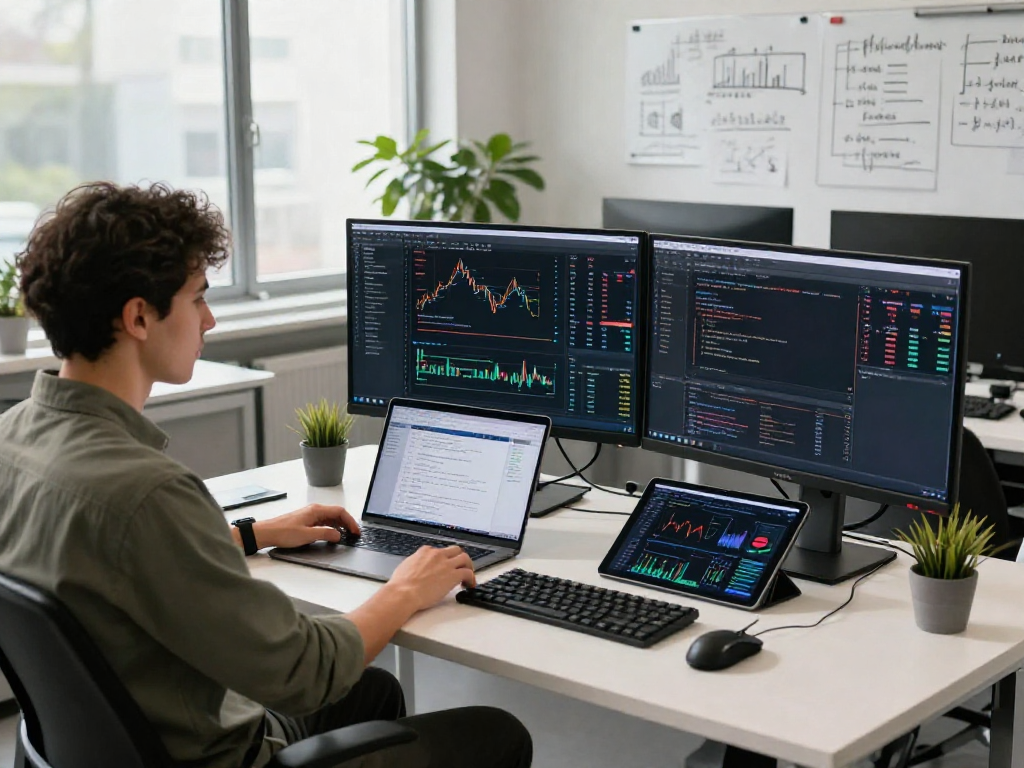
With features that allow for scripting custom indicators and backtesting strategies, TradingView goes beyond basic analysis. Users can refine their trading strategies based on historical data, making adjustments in real-time to optimize performance.
Community and Collaboration on TradingView
The social aspect of TradingView is one of its most appealing features, as it connects traders worldwide.
Engaging with Other Traders
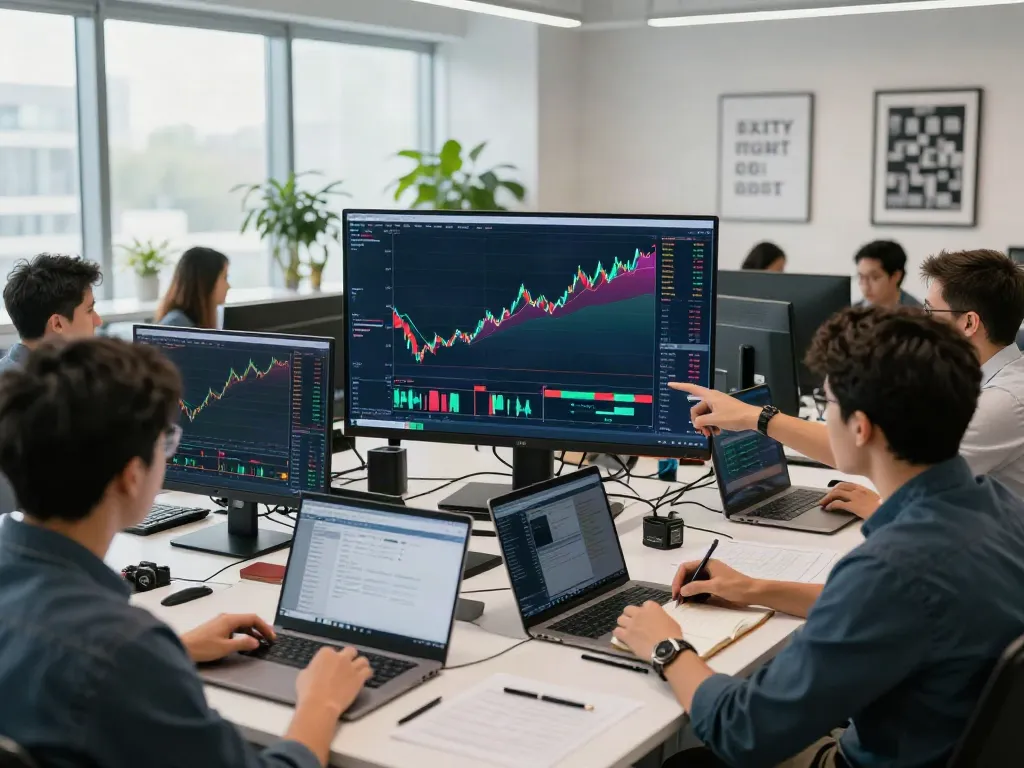
Traders can interact with each other through comments, private messages, and community forums. This engagement fosters a sense of belonging and encourages the sharing of knowledge and strategies among users.
Sharing Ideas and Strategies
Users can publish their analyses, charts, and trading ideas for community feedback. This not only enhances individual learning but also aids in refining trading strategies through collaborative input.
Participating in Live Discussions
Live chat rooms and discussion threads allow traders to converse in real-time about market events, enhancing the immediacy of information exchange and decision-making. This real-time interaction can contribute to a trader's success by allowing them to pivot strategies quickly in response to market movements.
Future Trends: What to Expect from TradingView in 2026
As technology continues to evolve, TradingView is expected to adapt and innovate in several ways that will impact traders positively.
Innovations in Trading Technology
Advancements in technologies like machine learning and artificial intelligence could be integrated into TradingView, enabling even more sophisticated analysis tools that provide predictive insights and recommendations based on past trading behavior.
Enhancements in User Experience
Improved user interfaces and personalized dashboards will likely emerge, making it easier for traders to access the tools they need quickly. Enhanced mobile experiences will ensure that users can manage their trades and analyze markets seamlessly from any location.
Impact on Trading Strategies
The anticipated developments in TradingView’s analytical capabilities will lead to the evolution of trading strategies. As traders gain access to more data and sophisticated analytics tools, strategies will become more data-driven and might shift towards greater automation and algorithmic trading.