Understanding Indoor Agriculture and Its Benefits
Indoor agriculture has emerged as a pivotal solution to the challenges of traditional farming. As urbanization increases and arable land decreases, indoor farming presents a viable alternative for producing high-quality crops. This innovative approach transcends geographical restrictions, allowing for year-round cultivation regardless of external weather conditions. cika4d stands at the forefront, providing tailored design and construction solutions that optimize the indoor agricultural experience.
What is Indoor Agriculture?
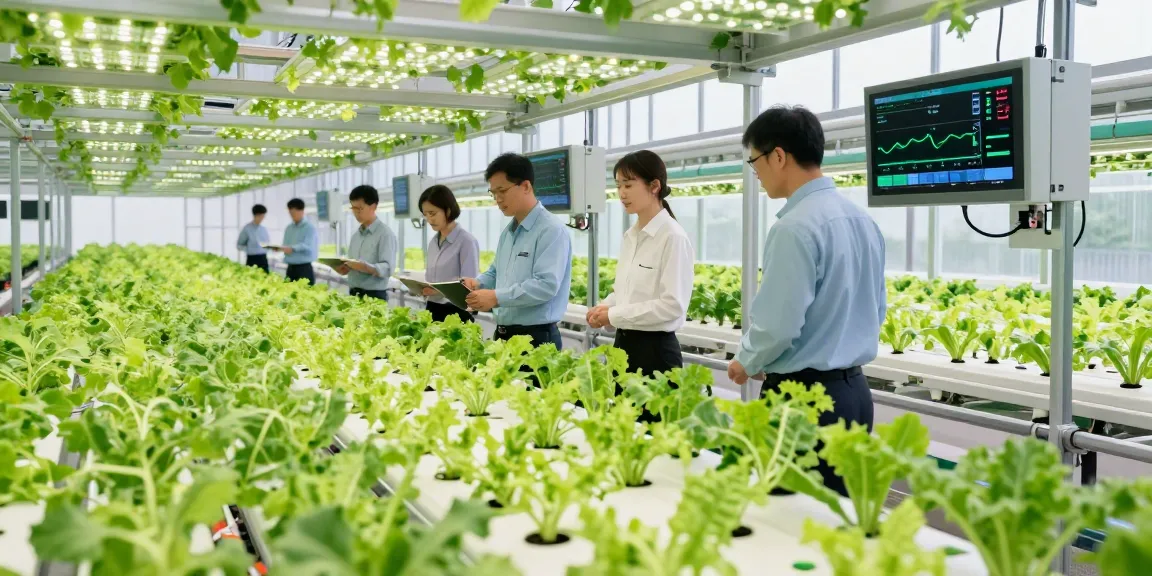
Indoor agriculture refers to the practice of cultivating plants in controlled environments, utilizing specially designed facilities to cater to the specific needs of various crops. This method can involve soil-based systems, hydroponics, and aeroponics, offering flexibility for growers to select the best cultivation technique suited to their objectives. By creating a tailored environment that includes controlled lighting, temperature, and humidity, indoor agriculture maximizes growth potential and minimizes resource usage.
Key Advantages of Indoor Growing Systems
- Resource Efficiency: Indoor systems significantly reduce the need for water, fertilizers, and pesticides compared to traditional farming.
- Space Utilization: Vertical farming and modular systems allow for high-density crop production without the need for vast land areas.
- Consistency: Climate control technologies ensure consistent crop quality and yield, irrespective of seasonal variations.
- Reduced Transportation Costs: Proximity to urban centers minimizes the carbon footprint associated with transporting fresh produce.
How cika4d Enhances Agricultural Efficiency
CIKA4D employs state-of-the-art technologies and innovative design approaches to enhance the efficiency of indoor agriculture systems. By integrating automated climate control, advanced lighting solutions, and effective irrigation methods, CIKA4D optimizes both the growth environment and energy used in operations. This not only boosts yield but also ensures the sustainability of agricultural practices, allowing operators to respond quickly to market demands and environmental challenges.
Key Technologies in Indoor Agriculture
Lighting Solutions for Optimal Growth
Proper lighting is crucial in indoor agriculture, with LED technology being the forefront of this evolution. Unlike traditional lighting, LEDs provide targeted wavelengths that promote photosynthesis while minimizing energy consumption. This adaptability allows growers to tailor their light spectrum to meet the specific growth phases of their plants.
Climate Control Systems Explained
Effective climate control involves managing temperature, humidity, and CO2 levels to create an ideal growing environment. Advanced HVAC systems equipped with sensors and automated controls can respond to plant needs in real-time, ensuring optimal growth conditions without unnecessary resource expenditure. This precision not only supports healthier plants but also enhances overall operational efficiency.
Innovative Hydroponics and Aeroponics Techniques
Hydroponics and aeroponics are two revolutionary techniques in indoor farming that eliminate the need for soil. Hydroponics uses nutrient-rich water to grow plants, while aeroponics suspends plants in the air and delivers nutrients via a fine mist. Both methods offer significant water savings and faster growth rates, making them ideal for urban agriculture settings where space is limited.
Designing Your Indoor Agriculture Space
Planning Your Facility Layout
Designing an effective indoor agriculture facility begins with a well-thought-out layout that optimizes space and workflow. Strategic planning must consider factors such as plant type, growth cycles, and equipment placement. A seamless flow from planting to harvest is essential for maximizing productivity.
Choosing the Right Equipment and Materials
Selecting appropriate equipment, from grow lights to hydroponic systems, is crucial to the success of indoor agriculture. High-quality materials not only enhance durability but also improve energy efficiency, leading to long-term cost savings. Collaboration with experts, such as those at CIKA4D, can provide insights to ensure the best choices are made.
Integrating Technology into Your Design
Technology should be seamlessly integrated into the design of indoor agriculture spaces. This includes automation systems for irrigation and climate control, as well as data analysis tools for monitoring plant health and environmental conditions. Embracing technology leads to a more responsive and efficient operation, which is essential for meeting market demands.
Common Challenges and Solutions in Indoor Agriculture
Addressing Environmental Control Issues
Maintaining optimal environmental conditions can be challenging in indoor agriculture. Variability in temperature, humidity, and light can significantly affect crop health. Utilizing automated control systems can help mitigate these issues, providing real-time feedback and adjustments as needed to keep conditions stable.
Managing Plant Health and Pest Control
Indoor growing systems can still be susceptible to pests and diseases. Implementing integrated pest management (IPM) strategies that employ biological controls and preventative measures can reduce the reliance on chemical treatments, promoting healthier crops and a more sustainable approach to agriculture.
Overcoming Initial Setup Costs
High capital investment can be a barrier for many interested in indoor agriculture. However, innovative financing options, grants, and partnerships with technology providers can help ease the financial burden, allowing new entrants to explore the potential of indoor farming without overwhelming initial costs.
The Future of Indoor Agriculture in 2026
Emerging Trends and Innovations
As we approach 2026, several trends are expected to shape the future of indoor agriculture. Innovations like vertical farming and AI-driven agricultural technologies are likely to gain traction, enhancing productivity and resource efficiency.
How Sustainability Shapes Farming Practices
The shift towards sustainable practices is becoming more pronounced, with regulations and consumer preferences driving the need for eco-friendly production methods. Indoor agriculture supports this trend by reducing transportation emissions and resource use, aligning with global sustainability goals.
The Role of cika4d in the Evolution of Agriculture
CIKA4D is committed to fostering innovation in indoor agriculture, providing scalable solutions that can adapt to emerging technologies and market needs. Their focus on design and construction allows agricultural businesses to integrate cutting-edge practices that will define the next generation of farming.
What Are the Future Prospects for Indoor Farmers?
The prospects for indoor farmers look promising as urban populations continue to grow, and the demand for fresh produce rises. By leveraging advanced technologies and sustainable practices, indoor farmers are positioned to play a critical role in the future of food security and agricultural innovation.