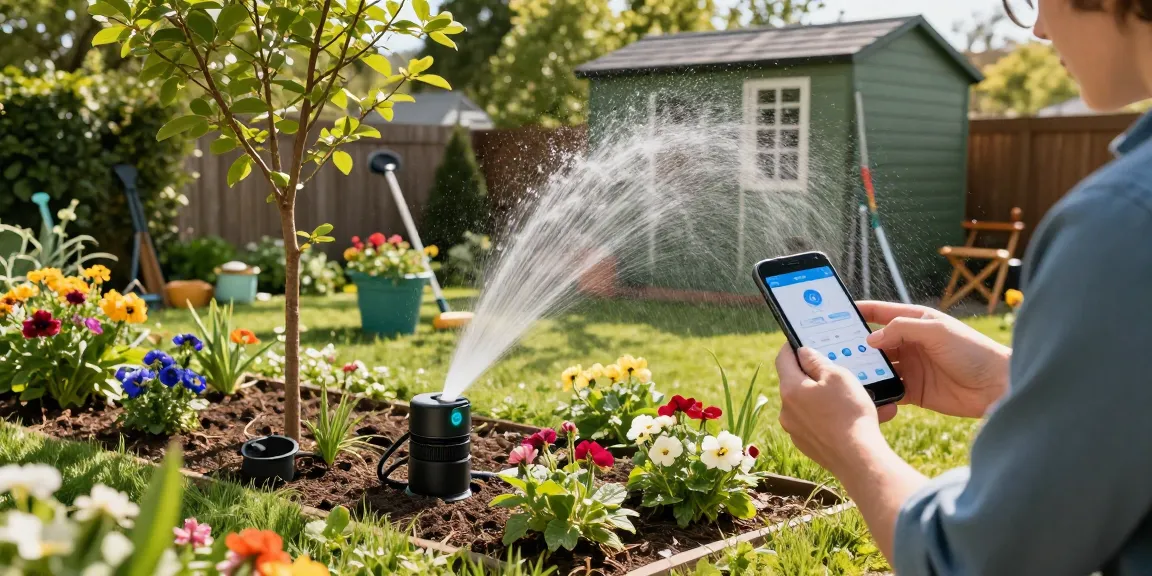
Understanding Smart Sprinklers and Their Benefits
In today’s fast-paced world, where sustainable practices are gaining prominence, smart sprinkler systems have emerged as a crucial solution for eco-conscious gardeners. These advanced irrigation systems utilize technology to monitor and adjust watering schedules based on environmental factors, helping to conserve water while ensuring your plants receive the optimal moisture they need to thrive. With the right smart sprinkler system, you can not only save time and energy but also significantly reduce your water bills.
What is a Smart Sprinkler System?
A smart sprinkler system is an irrigation technology that automates the watering process for gardens, lawns, and landscapes. Unlike traditional systems, which operate on fixed timers, smart sprinklers are equipped with sensors and wireless connectivity that allow them to adapt to the current weather conditions. This means they can detect rainfall, humidity, and temperature changes, adjusting watering schedules accordingly to prevent overwatering or underwatering.
How Smart Sprinklers Save Water and Reduce Costs
One of the most significant advantages of using smart sprinklers is their ability to conserve water. Traditional irrigation systems often waste considerable amounts of water due to fixed schedules, regardless of weather conditions. Smart sprinklers, however, utilize real-time data to optimize watering practices. For instance, if rain is forecasted, the system can skip watering altogether. This not only conserves water but also results in lower utility bills for homeowners and businesses alike.
Key Features to Look for in Smart Sprinklers
- Weather Sensors: Look for sprinklers equipped with rain and sun sensors to automatically adjust schedules.
- Mobile App Connectivity: Many smart sprinklers can be controlled via smartphone apps, allowing for remote management and monitoring.
- Soil Moisture Sensors: These sensors measure the moisture level in the soil, ensuring that watering only occurs when necessary.
- Zone Control: If you have a complex landscape, choose a system that allows for independent control of different zones.
- Energy Efficiency: Opt for models that operate efficiently to save on electricity as well.
Setting Up Your Smart Sprinkler
Installation Processes: Step-by-Step Guide
Setting up a smart sprinkler system may seem daunting, but with straightforward instructions, you can have it running in no time. Start by selecting a suitable location for the controller, typically near an outdoor power source. Next, connect your sprinkler heads to the appropriate zones, ensuring each zone covers your yard’s specific watering needs. Follow the manufacturer’s guidelines carefully, as each system may have unique installation steps. Once physically set up, you can begin configuring it via the mobile app to fine-tune your watering schedules.
Connecting with Mobile Apps for Optimal Control
The integration of mobile applications has revolutionized how gardeners manage irrigation. After installation, download the corresponding app and connect it to your smart sprinkler system. Most apps will guide you through the initial setup, allowing you to customize schedules and access real-time monitoring features. You can set specific watering times, adjust the duration based on the season, and even receive alerts or notifications about the system’s status, making it easier to maintain a beautiful garden.
Choosing the Right Smart Sprinkler for Your Garden Size
Selecting a smart sprinkler that appropriately matches your garden size is crucial. For smaller gardens or indoor plants, a simple, compact model may suffice. However, larger properties or those with diverse landscapes may require more sophisticated systems that offer multiple zones and advanced features like weather adaptability and soil moisture sensors. Make sure to assess your garden’s needs before making a purchase, ensuring that the system you choose maximizes efficiency and convenience.
Best Practices for Using Smart Sprinklers
Scheduling and Timing Watering Sessions
Effective scheduling is integral to maximizing the benefits of smart sprinklers. Analyze your garden’s specific needs based on plant types, climate, and soil conditions. Most systems allow for customized schedules—set them to water in the early morning or late evening to reduce evaporation losses. Regularly review and adjust your schedules as seasons change or as different plants grow, ensuring that all areas of your landscape receive appropriate care.
Utilizing Weather Data for Efficient Watering
Taking advantage of real-time weather data is one of the standout features of smart sprinkler systems. Many units can connect to local weather services, enabling them to adjust watering schedules automatically based on current and forecasted conditions. This ensures efficient water use while keeping your garden thriving. By utilizing this feature, you’re not just saving money; you’re also making a positive environmental impact.
Integrating Soil Sensors for Enhanced Moisture Control
Soil sensors are pivotal in fine-tuning watering schedules. By measuring the moisture level in the soil, these sensors can help prevent both overwatering and underwatering. Pairing your smart sprinkler with soil moisture sensors allows for precise irrigation that caters to your plants’ needs. This technology ensures that the watering occurs only when necessary, promoting healthy root growth and saving water.
Real-World Applications and Success Stories
Case Study: Residential Gardens Thriving with Smart Technology
One inspiring example of a residential garden thriving with smart technology is the case of a homeowner who utilized a smart sprinkler system to manage a large lawn and garden area effectively. By implementing a system with multiple zones and soil moisture sensors, they were able to tailor watering to the specific needs of various plant species. As a result, their water usage decreased by over 30%, and the garden flourished, showcasing vibrant flowers and healthy vegetable crops.
Commercial Use of Smart Sprinklers in Landscaping
In the commercial sector, smart sprinkler systems are increasingly adopted for landscaping maintenance. Businesses and municipalities are investing in these technologies to enhance their irrigation management. For instance, a city park that implemented smart irrigation reported a substantial reduction in water waste while maintaining lush green spaces that attract visitors. These smart systems not only improve the aesthetics of public spaces but also contribute to community sustainability efforts.
Customer Testimonials: Experiences with RainPoint Products
Many customers have shared positive experiences with RainPoint’s smart products, highlighting the ease of use and efficiency. For example, a customer managing a diverse landscape of over 2200 square meters noted that the RainPoint 2 Zone Wifi Water Timer with Hub significantly optimized their water consumption. They appreciated how the product offered insights into water usage and maintained the health of their trees and plants with minimal effort.
The Future of Smart Sprinklers and Gardening
Emerging Trends in Smart Irrigation Technologies
As technology advances, the future of smart sprinklers looks promising. Emerging trends include AI-driven irrigation that learns from past weather patterns and user behavior to optimize watering schedules proactively. Additionally, integration with home automation systems is on the rise, allowing users to control their irrigation in conjunction with other smart devices in their homes.
How Smart Sprinklers Contribute to Sustainable Gardening
Smart sprinklers play a pivotal role in sustainable gardening by promoting efficient water use and reducing runoff. As gardens increasingly contribute to biodiversity and local ecosystems, these systems enable gardeners to maintain lush landscapes without exhausting natural resources. Sustainable practices are crucial in combating climate change, and smart irrigation is an essential tool for eco-conscious gardeners.
Predictions for Smart Garden Innovations by 2026
Looking ahead, we can anticipate several innovations in smart gardening, including sensors that monitor plant health and communicate directly with irrigation systems. These advancements will allow for even more tailored care for individual plants, ensuring optimal growth conditions. As technology continues to evolve, we may also see the inclusion of augmented reality features to assist gardeners in managing their landscapes more effectively.
What Are the Main Advantages of Smart Sprinkler Systems?
- Water Conservation: Smart sprinkler systems significantly reduce water usage.
- Cost Savings: Reduces monthly water bills and overall maintenance costs.
- Remote Management: Control and monitor your irrigation from anywhere using mobile apps.
- Customization: Tailor watering schedules based on individual plant needs and weather conditions.
- Improved Plant Health: Ensures plants receive the right amount of water at the right time.
How Can Smart Sprinklers Help with Water Conservation?
Smart sprinklers are designed to be responsive to environmental changes. By utilizing data from weather forecasts, soil moisture levels, and even evaporation rates, they provide targeted watering, which drastically cuts down on unnecessary water use. This automatic adjustment is crucial for effective water conservation, allowing gardens to flourish while minimizing waste.
What Features Make a Smart Sprinkler Worth It?
When evaluating smart sprinklers, consider features such as connectivity options (Wi-Fi or Bluetooth), compatibility with smart home systems, user-friendly mobile apps, and advanced sensors for weather and soil moisture monitoring. These features enhance the overall value of the irrigation system, making it not only practical but also efficient.
Are Smart Sprinklers Compatible with Traditional Irrigation Systems?
Many smart sprinkler systems can be integrated with existing traditional irrigation setups. This means homeowners can enhance their current systems without a complete overhaul. The ease of integration allows for gradual upgrades, helping users transition to smarter, more efficient gardening practices.
What Maintenance Do Smart Sprinklers Require?
Generally, smart sprinklers require minimal maintenance. Routine checks on the sensors and software updates via the mobile app ensure optimal functionality. It is also wise to inspect the sprinkler heads for clogs and debris and adjust the watering schedules according to seasonal changes to maintain efficiency.